A Passed SIRS Doesn't Mean the Bill Is Paid: What Delray Beach Condo Buyers Need to Ask in 2026
August 13, 2026
August 13, 2026
An offer goes in on a mid-rise a few blocks off Atlantic Avenue. The listing agent forwards a one-line email confirming the building "completed its SIRS." The buyer exhales, treating that sentence as the finish line. It isn't. A Structural Integrity Reserve Study tells you whether a Delray Beach condominium association did its homework on what the building will cost to maintain. It says nothing about whether the association has finished paying for the answer.
That distinction is the one most buyers, and a fair number of agents, are still missing this year.
Compliance with Florida's 2026 reserve law tells you a board did its math. It does not tell you which year of that math you would be the one paying for.
Florida's Structural Integrity Reserve Study requirement traces back to the 2021 Surfside collapse. Its initial completion deadline, originally set for December 31, 2024, was pushed to December 31, 2025 under HB 913, with a narrower allowance to December 31, 2026 for buildings coordinating the study with a milestone inspection. By now, most Florida condominiums three stories or taller, Delray Beach included, should have filed or be finalizing that filing.
The bigger shift landed on January 1, 2026. Under Florida Statute 718.112(2)(g), associations can no longer waive or underfund reserves for the eight components a SIRS is required to cover: roof, load-bearing structure, fire protection, plumbing, electrical, waterproofing, windows and doors, and any other item above a statutory threshold now adjusted to $25,675. For years, boards facing a funding gap could put a waiver to a unit-owner vote and defer it. That option is gone, which is exactly why the number on this year's budget can look so different from the number on last year's.
Here is the part that gets lost in the relief of a completed study: a SIRS doesn't erase a funding gap, it quantifies one, and then the law requires the association to close it. One compliance firm laid out the math this way: a roof with an estimated replacement cost of $2,000,000, a current reserve balance of $400,000, and ten years of remaining useful life requires an annual contribution of $160,000 for that single component. Multiply a similar gap across all eight mandated categories and the arithmetic explains why so many associations are not settling into stable dues after their SIRS, they're stepping onto a ramp.
| Component | Est. Replacement Cost | Current Reserve Balance | Remaining Useful Life | Required Annual Contribution |
|---|---|---|---|---|
| Roof (illustrative example) | $2,000,000 | $400,000 | 10 years | $160,000 |
That single line item is why boards across Florida have already pushed through immediate HOA fee increases of 30 to 100 percent or more in many buildings, and why buyers are being told to budget for another 20 to 50 percent climb over the next two to three years as funding schedules and insurance costs work themselves out. A building that passed its SIRS in 2025 can still be years away from a dues figure that holds still.
A federal rule change this year is adding to the confusion. The Federal Housing Finance Agency proposed allowing condo associations to insure roofs on an actual cash value basis rather than full replacement cost, a change aimed at easing the underwriting pressure that has made some buildings hard to finance. That eases one problem. The state's structural reserve mandate is a separate matter entirely, untouched by whatever Fannie Mae and Freddie Mac decide about roof coverage, so a building that becomes easier to insure can still be mid-ramp on the dues its own SIRS committed it to.
There's a second date worth marking on the calendar even though it's still ahead of us. Starting January 4, 2027, just under five months from now, the FHFA will require condo associations to allocate 15 percent of their annual budgeted assessment income to capital expenditures and deferred maintenance, up from the current 10 percent. A building that looks settled today may have one more adjustment coming before a buyer closing this fall finishes their first year of ownership.
Florida law generally holds that a special assessment approved before closing is the seller's responsibility, while one approved after closing becomes the buyer's. That single rule means the exact date a board votes on an assessment everyone already knows is coming can shift a six-figure bill from one party to the other. A pending assessment of $75,000 can turn a $250,000 condo into a $325,000 commitment, and whether the buyer or the seller absorbs it can come down to a vote scheduled two weeks earlier or later than closing.
That timing isn't invisible if you ask for it. Florida law requires at least 14 days' advance notice for any meeting where a special assessment will be considered, so a buyer working toward a specific closing date can and should ask whether such a meeting falls inside that window.
As of January 1, 2026, associations with 25 or more units must post governing documents, budgets, and reserve studies through a dedicated website or app. That's a real change in sequencing. Diligence that used to wait for a formal document request during an inspection period can now often happen before an offer is written at all, whether the building sits downtown near Atlantic Avenue or among Delray's beachside towers.
A few questions worth putting in writing before removing contingencies:
One more diagnostic costs nothing to check: if recent closings in a building skew heavily toward cash buyers, that's frequently a signal of financing headwinds tied to warrantability, not simply a building full of wealthy owners.
Downtown Delray mixes boutique new construction with mid-rises built decades before any of this law existed, often within a few blocks of each other. That range means two buildings on the same street can sit at opposite ends of the funding ramp, one nearly through its schedule, another just starting. Neighborhood-level assumptions about carrying costs don't hold up here the way they might in a district built in a single wave. Special assessments large enough to matter are also typically tied to real repairs, roof replacement alone can run from $500,000 to several million dollars for a large building, which is reason enough to have a structural engineer review the milestone inspection report before an offer, not after.
A completed SIRS is a genuinely good sign. It means a board stopped deferring and did the work the law now requires. What it does not mean is that the number on this year's budget is the number a buyer will still be paying two years from now. The building that looks quiet on paper may simply be early in a schedule that was set the day the study was filed.
Can a board still vote to waive reserves in 2026? Not for the eight SIRS-mandated structural components. That flexibility ended January 1, 2026.
Does the FHFA's roof insurance change lower my dues? It can ease insurance underwriting and help some buildings qualify for financing, but it does not touch the separate state requirement to fully fund structural reserves.
What happens if I close in the middle of a funding ramp? You inherit whatever remains of the schedule as the owner. Ask for the year-by-year contribution plan for each component, not just the current total reserve balance.
Buying into a Delray Beach condominium in 2026 means underwriting a building's reserve schedule with the same care you'd give the purchase price. Hall Luxury Homes Group reviews SIRS filings, funding schedules, and warrantability status building by building before a client's inspection contingency ever expires. Request a Concierge Consultation and have your shortlist checked line by line before you write the offer.
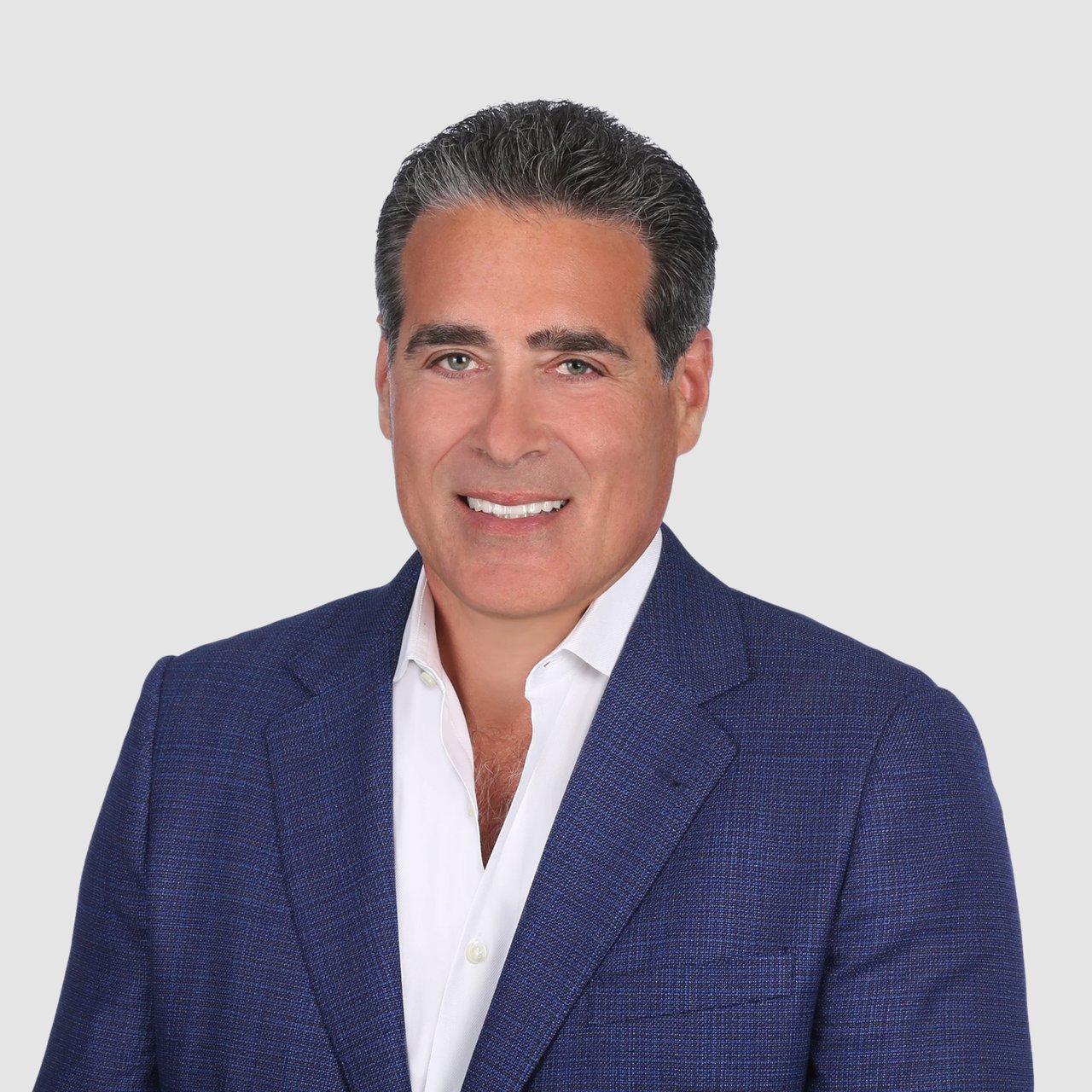
Broker-Associate® | MBA, ABR®, CLHMS™, PSA, RENE, RSPS, SRS
David Hall is a South Florida luxury real estate advisor and the founder of Hall Luxury Homes Group. As a Broker-Associate®, David specializes in luxury homes, waterfront properties, and residential real estate throughout Boca Raton, Highland Beach, Delray Beach, and nearby communities. With extensive experience in the local market, he shares insights on luxury real estate trends, buying strategies, selling tips, and property investments. He provides expert guidance to homeowners, buyers, and investors looking to make informed real estate decisions in South Florida.
Our commitment, experience, loyalty and dedication are paramount to our success, and the only way we conduct business. Together, we’re tirelessly passionate about getting the best results for buyers and sellers, while offering first-class professional concierge service through every step of the process.
HALL LUXURY HOMES GROUP
David Hall
(561) 508-1310
[email protected]
Sonia Hall
(516) 526-1090
[email protected]
101 N Federal Hwy Ste 501 Boca Raton FL 33432