Leave a Message

By providing your contact information to Hall Luxury Homes Group, your personal information will be processed in accordance with Hall Luxury Homes Group's Privacy Policy. By checking the box(es) below, you consent to receive communications regarding your real estate inquiries and related marketing and promotional updates in the manner selected by you. For SMS text messages, message frequency varies. Message and data rates may apply. You may opt out of receiving further communications from Hall Luxury Homes Group at any time. To opt out of receiving SMS text messages, reply STOP to unsubscribe.

Thank you for your message. We will be in touch with you shortly.

Condo Insurance Basics for Delray Beach Owners

December 11, 2025

If you own or are eyeing a condo in Delray Beach, you have one big question: what exactly is covered if a storm hits? In a coastal market with seasonal hurricanes, flood risk, and rising premiums, it can be hard to know where the association’s policy ends and your policy begins. You want clear answers before you buy, renovate, or renew.

This guide breaks down the master policy versus your HO‑6, how hurricane deductibles work, what to do about flood insurance, and the key documents to collect from your association. You will leave with a practical checklist tailored to Delray Beach’s 33483 coastal setting. Let’s dive in.

Why condo insurance matters in Delray Beach

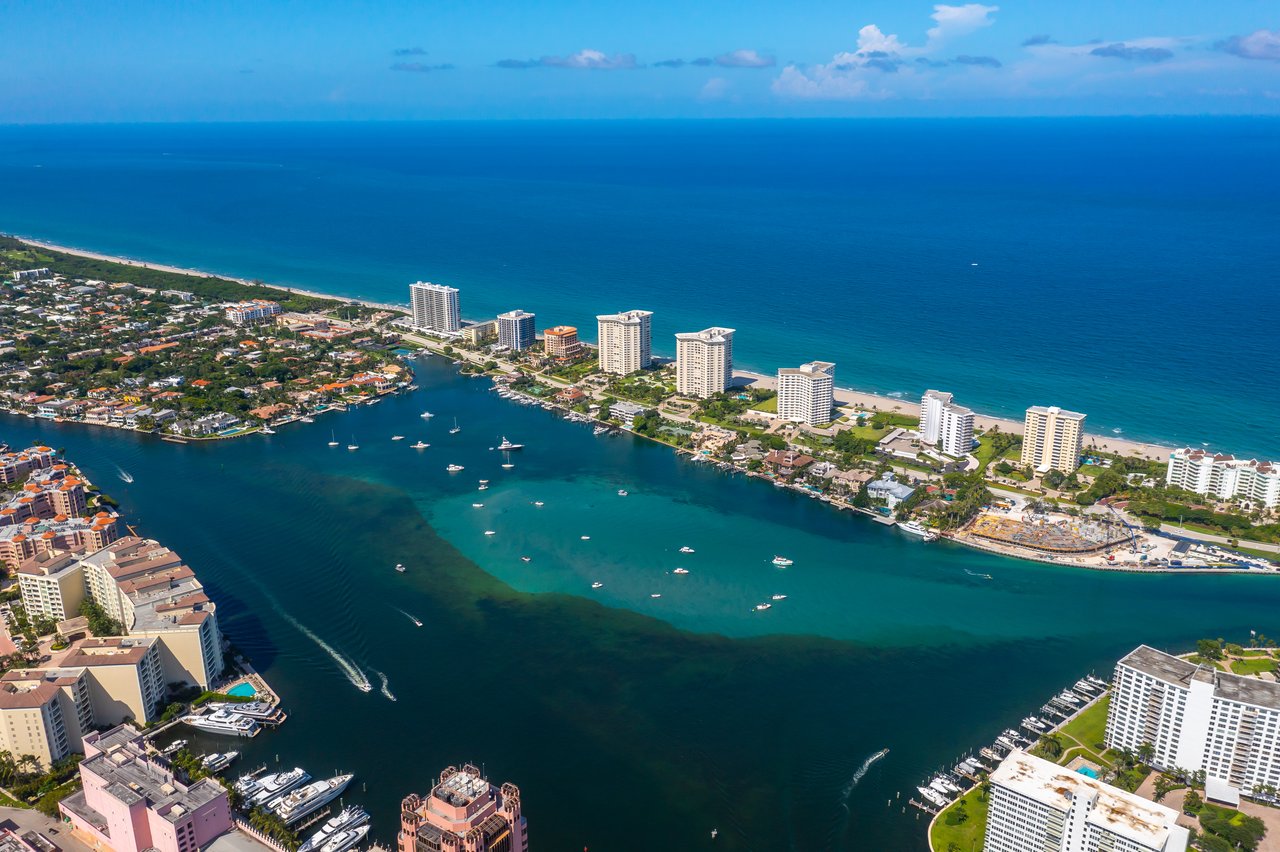
Delray Beach sits on Florida’s Atlantic coast in Palm Beach County. Coastal buildings face elevated wind and storm surge exposure during hurricane season. That added risk shapes underwriting, the types of deductibles you will see, and the coverage you need to protect your unit and your budget.

Flood risk is a separate issue. Standard condo policies (HO‑6) do not cover flood, and many buildings lie in or near FEMA‑mapped flood zones or storm surge areas. Flood protection is available through the National Flood Insurance Program and the private market.

Florida’s insurance market has also seen higher rates and shifting deductibles in recent years. When private coverage is limited, some owners turn to Citizens Property Insurance Corporation as a last resort. All of this makes it essential to understand how the association’s master policy and your HO‑6 work together.

Master policy vs your HO‑6

What the master policy usually covers

Your condominium association buys a master policy that typically insures the building and common elements. This can include roofs, exterior walls, elevators, lobbies, hallways, and shared amenities. It is one policy for the building, not unit by unit.

The master policy often carries a separate hurricane or windstorm deductible that is a percentage of the building limit. That percentage can be significant in a coastal county like Palm Beach. How that deductible is handled is defined in your association’s documents.

Policy types that affect your unit

What happens inside your four walls depends on the master policy type and your condo declaration:

  • Bare walls or walls out. The association covers the structure and common elements, but not interior finishes and fixtures. You insure flooring, cabinetry, built‑ins, and upgrades.
  • Walls in or unit owner structural. The association covers the building to the interior surfaces. You insure improvements and alterations beyond standard finishes.
  • All in or single entity. The association covers most interior fixtures and fittings. This is less common.

Exact boundaries vary. The controlling documents are the condo declaration and the master policy declarations page.

What your HO‑6 usually covers

An HO‑6 policy is designed for condo unit owners. It commonly includes:

  • Personal property coverage for your contents, often with replacement cost available by endorsement.
  • Personal liability and medical payments to others.
  • Loss of use or additional living expense if your unit is uninhabitable after a covered loss.
  • Loss assessment coverage that can pay your share of an association assessment related to a covered claim or deductible.
  • Improvements and betterments if you have upgraded interiors.
  • Ordinance or law coverage, which may require an endorsement, to help cover code‑mandated upgrades during repairs.
  • Optional add‑ons such as water or sewer backup.

How the pieces interact

  • Interior repairs after a loss depend on the master policy type and the declaration. Do not assume the association covers your finishes.
  • The association’s hurricane deductible can be large. If bylaws allow, the association may assess it to owners. Loss assessment coverage on your HO‑6 can help pay your share.
  • Flood is excluded on standard HO‑6 policies. You likely need separate flood coverage for contents and possibly interior building items.
  • Replacement cost versus actual cash value affects what you ultimately receive after a claim. Confirm how both policies are written.

Florida specifics you cannot skip

Hurricane and windstorm deductibles

Many Florida property policies use a separate hurricane or windstorm deductible stated as a percentage of the insured building limit. In practice, you will see ranges such as 2 percent to 10 percent, though the exact amount depends on the insurer and policy. The association’s master policy will spell this out and may state how the deductible is allocated among owners.

Action steps:

  • Request the master policy declarations page and endorsements. Look for the hurricane deductible amount and whether it is a percentage or flat dollar.
  • Review your condo declaration for allocation language. Confirm whether the association has a practice of passing deductibles through to owners after a storm claim.
  • Match your HO‑6 loss assessment limit to at least the size of your likely assessment. Consider higher limits if available.

Flood insurance for condo owners

Flood is not covered by a standard HO‑6. You have two main paths to flood protection:

  • The association may carry a flood policy for the building. Even then, you may still need contents coverage and, depending on the documents, coverage for interior building items you own.
  • You can buy individual flood insurance for contents and, if needed, interior structural items.

NFIP flood policies usually have a 30‑day waiting period before they take effect. If your lender requires flood insurance, certain exceptions may apply, but do not wait until a storm is active to start a policy. Review FEMA flood maps for your building’s zone and take the Palm Beach County coastal setting into account when deciding on limits.

Building age and mitigation credits

Insurers consider building age, roof condition, impact‑resistant glass, shutters, and other mitigation features when underwriting. Associations that invest in roof replacements, shutters, and code‑approved mitigation may see better pricing and more carrier options. Ask for recent reserve studies and maintenance plans to understand the building’s condition and risk posture.

Sinkhole and subsidence

Parts of Florida have sinkhole activity. Some policies exclude or limit sinkhole coverage or offer it as an optional add‑on. Ask about the building’s history, whether inspections have been done, and if any past sinkhole claims exist.

Market availability and lenders

Some owners face higher premiums or fewer carrier choices. Citizens Property Insurance Corporation can serve as a last resort in Florida. If you are financing, confirm early that available policies will meet your lender’s requirements for closing.

Buyer and owner checklist in Delray Beach

Use this list when you are buying in 33483 or updating your coverage.

Documents to request from the association

  • Master policy declarations page and the full policy with endorsements. Confirm what parts of units are covered, policy limits, valuation method, and the hurricane deductible.
  • Condo declaration and bylaws. Identify who is responsible for interior finishes and how insurance assessments are allocated.
  • Recent board minutes and reserve studies. Look for major planned repairs and any large recent claims.
  • Current certificate of insurance for the association.
  • Records of past claims and any history of special assessments.

Questions for your insurance agent about your HO‑6

  • What loss assessment limits are available and recommended for this building’s deductible exposure?
  • How much coverage do I have for improvements and betterments? Can I adjust the limit?
  • Is there a hurricane or windstorm deductible on my HO‑6? If yes, how is it applied?
  • Do I have ordinance or law coverage, and at what limit?
  • What are my options for flood coverage for contents and interior building items? Is a separate policy required?
  • Are mitigation discounts available for impact glass, shutters, or roof improvements?
  • Is my personal property covered at replacement cost or actual cash value?

Coverage amounts to consider

  • Personal property. Choose a limit that reflects the real cost to replace your contents. A photo inventory helps.
  • Improvements and betterments. Insure the dollars you have invested in upgrades.
  • Loss assessment coverage. Aim for at least the size of the association’s hurricane deductible and consider higher options, such as 10,000, 25,000, or 50,000.
  • Liability. Many owners choose 300,000 to 500,000 or add an umbrella policy for extra protection.
  • Flood. Add contents coverage and, if needed, interior building item coverage depending on the master policy.

Preparedness that pays off

  • Document valuables with dated photos and receipts. Store copies offsite or in the cloud.
  • Keep digital copies of association insurance documents, your HO‑6, and your flood policy.
  • Know your building’s emergency plan and evacuation route.
  • Consider mitigation upgrades, such as shutters or impact windows, and ask if they qualify for premium credits.

Claim‑time tips for condo owners

  • Notify both the association and your insurer promptly after a loss. The association will coordinate with its master policy adjuster.
  • Take dated photos and video of damage and keep receipts for temporary repairs.
  • Track timelines. Policies and statutes include deadlines for notice and filing. Follow the procedures in your documents and policies.
  • Review your declaration for dispute resolution steps. Some associations require mediation or arbitration for certain disputes.

Make your purchase decision with confidence

The right insurance plan starts with the right building information. Before you write an offer or start a renovation, gather the master policy, the declaration, and recent reserve studies, then line up your HO‑6 and flood options with those documents in hand. In a coastal market like Delray Beach, that preparation can protect your investment and reduce surprises after a storm.

If you want a trusted local team to help you source the right condo and coordinate key documents with management, reach out to Hall Luxury Homes Group. We combine building‑level expertise, white‑glove buyer representation, and concierge coordination so you can focus on the lifestyle while we handle the details. Request a Concierge Consultation today with Hall Luxury Homes Group.
FAQs

Who insures the building vs your unit in a Delray Beach condo?

  • The association’s master policy insures the building and common elements, while your HO‑6 covers your personal property, liability, and often interior improvements; the condo declaration defines the exact split.

What is loss assessment coverage and when does it help?

  • Loss assessment coverage on your HO‑6 can pay your share of a common loss or deductible assessed by the association after a covered claim, which is especially important when master policies have large hurricane deductibles.

Do you need flood insurance if the association has a flood policy?

  • Possibly yes; standard HO‑6 policies exclude flood, and even if the association carries some flood protection, you may still need coverage for your contents and interior building items you own.

Why are hurricane deductibles a big deal for condo owners in 33483?

  • Many master policies use percentage hurricane deductibles that can be large; if bylaws allow, your association may assess a share to owners, so matching your HO‑6 loss assessment limit is key.

How fast should you secure flood insurance before closing on a condo?

  • NFIP flood policies generally carry a 30‑day waiting period, so secure coverage as early as possible; lender‑required policies may qualify for limited exceptions, but verify timing with your insurer.

Can an umbrella policy make sense for a condo owner?

  • If you want higher liability protection above your HO‑6 limits for large injury or liability claims, many owners add an umbrella policy for added peace of mind.

Work With Us

Our commitment, experience, loyalty and dedication are paramount to our success, and the only way we conduct business. Together, we’re tirelessly passionate about getting the best results for buyers and sellers, while offering first-class professional concierge service through every step of the process.