Pre-Sale Improvements That Pay Off In Downtown Boca Condos
July 9, 2026
July 9, 2026
Wondering whether to repaint, redo a bath, or leave your condo alone before listing? In Downtown Boca, that choice can directly affect how quickly your unit sells and how buyers respond to your asking price. In a market where buyers have options and are paying close attention to condition, the smartest pre-sale improvements are usually the ones that make your condo feel clean, current, and easy to move into. Let’s look at which updates tend to pay off, where sellers often overspend, and how to plan your next steps wisely.
Downtown Boca and the broader 33432 market are giving buyers time to compare inventory. As of May 2026, Downtown Boca was described as a balanced market with 88 homes for sale, a median listing price of $1,594,500, and a median 97 days on market. Across 33432 overall, conditions leaned more in buyers’ favor, with 463 homes for sale and a median 93 days on market.
That backdrop matters when you decide how much to invest before listing. In a market that is not moving at a frenzy pace, presentation and visible condition often carry more weight. NAR reported in 2025 that 46% of buyers were less willing to compromise on home condition, which supports a more focused, practical prep strategy.
For most Downtown Boca condo sellers, the best return usually comes from improvements buyers notice right away. That means finishes, cleanliness, lighting, and overall move-in readiness. It does not usually mean a major renovation right before you go to market.
If your goal is to sell efficiently and protect your pricing position, start with the updates that improve first impressions. In condo living, buyers tend to judge scale, light, wear, and finish level within seconds of walking in.
Fresh paint is one of the simplest ways to make a condo feel brighter, cleaner, and more current. NAR’s 2025 Remodeling Impact Report says painting the entire home and painting an interior room are among the top projects Realtors recommend before listing. For condos, paint is often especially effective because it updates the space without the disruption of larger construction.
A clean, neutral paint palette can also help buyers focus on the floor plan, natural light, and views rather than signs of wear. In many Downtown Boca buildings, that softer, move-in-ready presentation is exactly what helps a unit feel competitive.
Flooring is one of the biggest visual cues in a condo. If floors are scratched, stained, uneven, or dated, buyers may assume the rest of the unit has been deferred too. If hardwood can be refinished, NAR has found that refinishing hardwood floors can recover 147% of cost, while new wood flooring has shown 118% cost recovery.
Those figures do not mean every flooring project will perform the same way, but they do show how important floors can be to resale appeal. Before starting any work, check your association rules, especially if the project affects sound transmission standards or underlayment requirements.
Small finish changes can improve how polished your condo feels. Updated light fixtures, cabinet pulls, faucets, and switch plates are not usually major value drivers on their own, but they can help remove dated visual cues. In a condo where buyers are already comparing units in the same building, these details can make a property feel more current and better maintained.
Think of these as perception upgrades. When paired with paint, flooring, and a deep clean, they often help create the kind of cohesive presentation that buyers respond to.
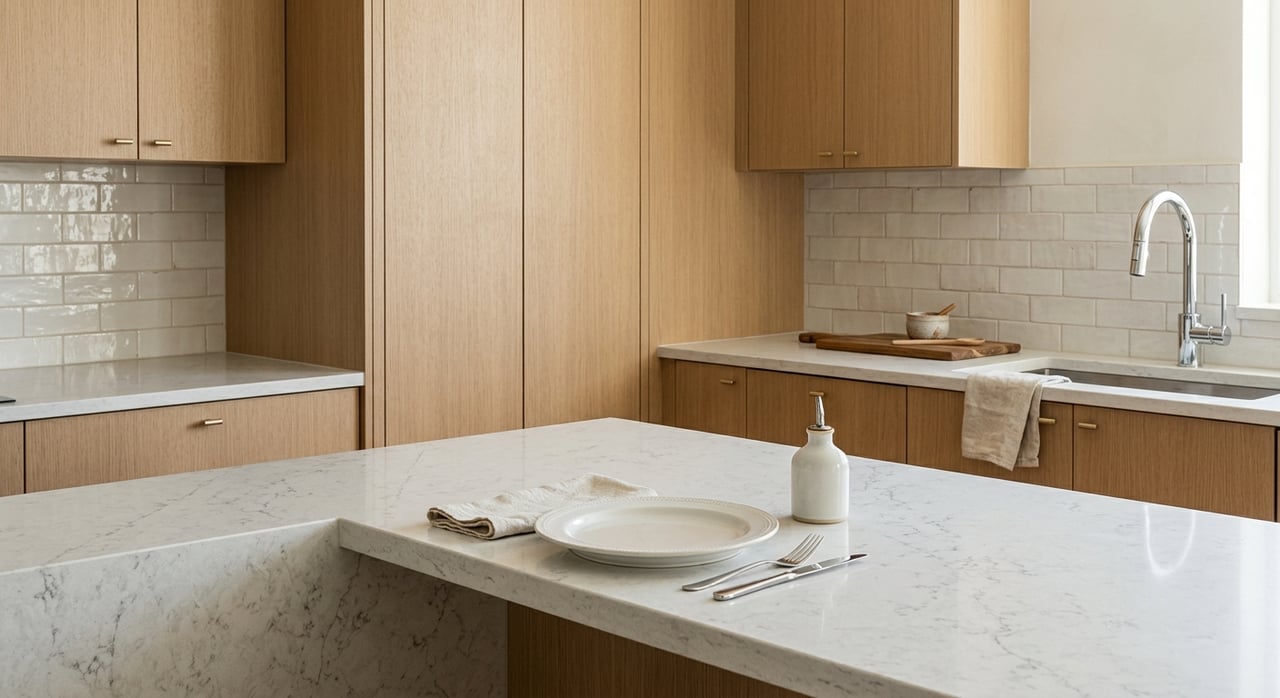
Kitchens and baths matter, but that does not always mean you should fully renovate them before listing. NAR’s 2025 report places complete kitchen renovation and minor kitchen upgrade at about 60% cost recovery, while bathroom renovation is about 50%. That is a useful reminder that large remodels often improve livability more than resale returns.
If your kitchen or bath feels obviously dated, a targeted refresh may make more sense than a full gut job. For example, updated hardware, lighting, paint, surface repairs, and careful styling can improve the look without pushing you into a high-cost project.
A refresh is usually the best option when the layout still works and the space simply needs a cleaner, more current appearance. In many Downtown Boca condos, buyers care more about whether a unit feels well-kept and easy to enjoy right away than whether every finish is brand new.
This is especially true in a balanced or buyer-leaning market. If comparable units in your building are selling with simpler finishes, over-improving can make it harder to recapture your spending.
Full gut renovations, custom layouts, and highly personalized finishes often recover only part of their cost at resale. They can also add time, approvals, and construction risk. If you plan to list soon, those projects usually deserve extra caution.
In a condo setting, you are not competing in a vacuum. Buyers often compare your unit against others in the same building, stack, or amenity tier. If your renovation level goes far beyond that benchmark, your resale upside may not keep pace with your spending.
For condos, staging is often one of the most practical pre-sale investments. Smaller room sizes, open layouts, and view-focused living spaces can be harder to interpret when empty or overly personalized. NAR’s 2025 Profile of Home Staging found that 83% of buyers’ agents said staging made it easier for buyers to visualize a property.
The same report found that 29% of agents said staging led to a 1% to 10% increase in the dollar value offered, and 49% said it reduced time on market. In a Downtown Boca condo, that can be meaningful when buyers are comparing several units in one outing.
Before listing, focus on the steps that improve scale, flow, and cleanliness:
These steps are often more effective than expensive customization. They help buyers picture themselves in the home, which is exactly what strong marketing should support.
One of the biggest mistakes sellers make is assuming an interior project will be simple because it is inside the unit. In Boca Raton, multi-family interior alterations follow a formal permit process that may require trade applications, plans, an HOA affidavit, and for building permits over $5,000, a certified Notice of Commencement.
That means even seemingly straightforward work can take planning. If your project touches plumbing, electrical, or mechanical systems, build in extra time before your intended listing date.
Florida condominium rules add another layer. The association is responsible for common-element maintenance, and if the declaration does not spell out an approval process, material alterations or substantial additions require approval from 75% of total voting interests before work begins.
For sellers, the takeaway is simple: confirm building requirements before committing to work. A project that looks efficient on paper can become expensive if approvals delay your listing timeline.
In many Boca condo transactions, buyers are looking at more than your unit’s cosmetics. Florida’s condo-safety framework has made building records more relevant in the decision process. Milestone inspections are required for certain condo buildings that are three habitable stories or more once the building reaches 30 years of age, and then every 10 years after that.
DBPR also explains that Structural Integrity Reserve Studies are part of the association’s official records, along with structural inspection reports, and must be provided to potential purchasers. In practice, that means buyers may evaluate reserve funding, pending repairs, and possible special assessments alongside your updates.
If buyers are already reviewing building-level records, spending heavily inside the unit may not always be the best use of your dollars. A beautifully remodeled condo can still face buyer questions if the building’s reserves or repair obligations are under review. That is one reason a disciplined, visible-condition strategy is often the safer move.
If you are preparing to sell a Downtown Boca condo, this is usually the right order of operations:
This kind of plan helps you stay focused on improvements that support marketability rather than improvements that simply add cost.
Some sellers want to make smart updates but prefer not to pay the full cost upfront. Compass Concierge is a seller program that fronts the cost of eligible improvement services, including staging, flooring, painting, cosmetic renovations, kitchen improvements, and bathroom improvements. Repayment is due when the home sells or under other program-triggering events, and Compass notes that fees or interest may apply depending on state and loan terms.
For the right seller, that can be a helpful framework to evaluate, especially when timing and cash flow matter. The key is making sure the scope stays disciplined and aligned with what the market is likely to reward.
In Downtown Boca condos, the pre-sale improvements that usually pay off are rarely the flashiest. They are the updates that help your home feel bright, cared for, and easy for a buyer to say yes to. In today’s 33432 market, that often means spending on visible condition, polished presentation, and a smart plan that fits your building and timing.
If you want a tailored, building-specific strategy for what to update before listing, Hall Luxury Homes Group offers white-glove guidance on staging, renovation oversight, vendor management, and pre-sale positioning designed to help you maximize your sale.

Broker-Associate® | MBA, ABR®, CLHMS™, PSA, RENE, RSPS, SRS
David Hall is a South Florida luxury real estate advisor and the founder of Hall Luxury Homes Group. As a Broker-Associate®, David specializes in luxury homes, waterfront properties, and residential real estate throughout Boca Raton, Highland Beach, Delray Beach, and nearby communities. With extensive experience in the local market, he shares insights on luxury real estate trends, buying strategies, selling tips, and property investments. He provides expert guidance to homeowners, buyers, and investors looking to make informed real estate decisions in South Florida.
Our commitment, experience, loyalty and dedication are paramount to our success, and the only way we conduct business. Together, we’re tirelessly passionate about getting the best results for buyers and sellers, while offering first-class professional concierge service through every step of the process.
HALL LUXURY HOMES GROUP
David Hall
(561) 508-1310
[email protected]
Sonia Hall
(516) 526-1090
[email protected]
101 N Federal Hwy Ste 501 Boca Raton FL 33432