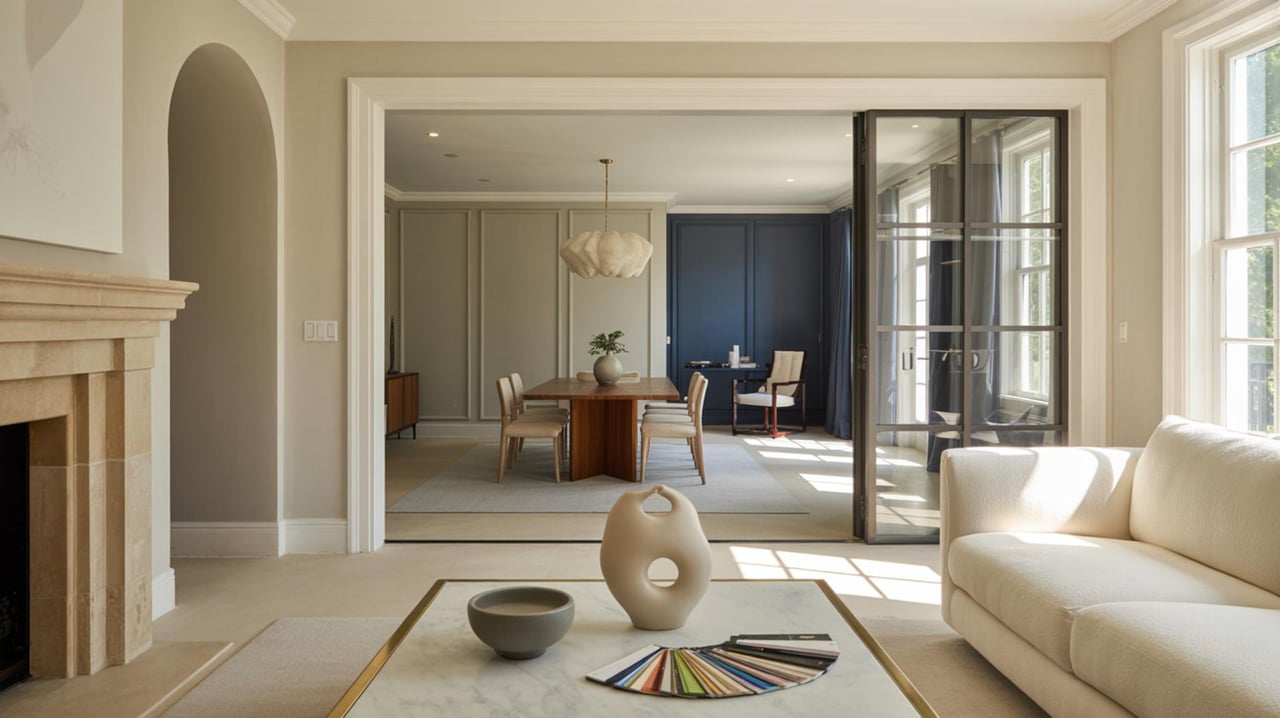
The Science of Color: How to Choose Paint Tones for Every Room
Lifestyle September 10, 2025
Lifestyle September 10, 2025
Choosing the right paint tones for every room in your home can transform your living space into a harmonious and inviting environment. The science of color plays a crucial role in this process, influencing mood, perception, and even the perceived size of a room. Understanding how different colors interact and affect a space can help you make informed decisions that reflect your personal style while enhancing the functionality of each room. From calming blues to energizing yellows, the right paint color can make all the difference.
Color psychology is the study of how colors affect human behavior and emotions. Each color can evoke specific feelings and moods, making it essential to consider the psychological impact when selecting paint tones. For example, blues and greens are known for their calming and soothing effects, making them ideal for bedrooms and bathrooms. On the other hand, warm colors like reds and oranges can stimulate energy and creativity, making them suitable for spaces like kitchens and home offices. By understanding the psychological effects of colors, you can choose tones that align with the intended purpose of each room.
The amount and quality of natural light in a room can significantly influence how paint colors appear. Rooms with abundant natural light can handle darker or more vibrant colors, as the light will enhance their richness. Conversely, rooms with limited natural light may benefit from lighter, more reflective colors that help brighten the space. It's important to observe how natural light changes throughout the day and how it affects the colors you're considering. Testing paint samples on different walls and at various times can provide valuable insights into how the color will look in different lighting conditions.
The size and layout of a room can also impact color choices. Light colors can make a small room feel larger and more open, while darker colors can create a cozy and intimate atmosphere in larger spaces. Additionally, the layout of a room, including the placement of windows and doors, can affect how colors are perceived. For instance, painting an accent wall in a bold color can draw attention to a specific area, creating a focal point that enhances the room's design. Understanding the spatial dynamics of a room can guide you in selecting colors that complement its size and layout.
When choosing paint tones, it's essential to consider the existing decor and furnishings in a room. The color of your walls should harmonize with the furniture, artwork, and accessories to create a cohesive look. Neutral colors, such as whites, grays, and beiges, offer versatility and can complement a wide range of decor styles. However, if you prefer a more vibrant palette, consider using complementary colors that enhance the existing elements in the room. Creating a color scheme that ties together the various components of a room can result in a balanced and visually appealing space.
The color wheel is a valuable tool for selecting paint tones that work well together. By understanding the relationships between colors on the wheel, you can create harmonious color schemes that enhance the overall aesthetic of a room. Complementary colors, located opposite each other on the wheel, can create dynamic and visually striking combinations. Analogous colors, which are next to each other on the wheel, offer a more subtle and cohesive look. Utilizing the color wheel can help you experiment with different color combinations and find the perfect palette for each room.
Before committing to a paint color, it's crucial to test samples on your walls. Paint colors can look different in the store than they do in your home, due to variations in lighting and surrounding elements. By applying samples to different walls and observing them at various times of day, you can get a better sense of how the color will look in your space. Testing samples also allows you to experiment with different shades and finishes, ensuring that you choose a color that meets your expectations and complements your home's design.
The finish of a paint can affect both the appearance and durability of a color. Different finishes, such as matte, satin, and gloss, offer varying levels of sheen and reflectivity. Matte finishes provide a smooth, non-reflective surface that can hide imperfections, making them ideal for ceilings and low-traffic areas. Satin finishes offer a subtle sheen and are more durable, making them suitable for high-traffic areas like hallways and kitchens. Gloss finishes provide a shiny, reflective surface that can highlight architectural details and add a touch of elegance. Choosing the right finish can enhance the overall look and functionality of a room.
Striking the right balance between bold and neutral tones can create a dynamic and visually interesting space. Bold colors can add personality and energy to a room, while neutral tones provide a calming and versatile backdrop. When incorporating bold colors, consider using them as accents or on a single wall to avoid overwhelming the space. Neutral colors can be used to balance out bold tones, creating a harmonious and cohesive look. By thoughtfully combining bold and neutral colors, you can achieve a well-balanced and aesthetically pleasing design.
Creating a sense of flow between rooms is essential for a cohesive home design. By using a consistent color palette throughout your home, you can ensure a seamless transition from one room to the next. This doesn't mean every room needs to be the same color, but rather that the colors should complement each other and create a unified look. Consider using variations of the same color or coordinating hues to maintain a sense of continuity. A well-coordinated color scheme can enhance the overall aesthetic of your home and create a harmonious living environment.
If you're unsure about choosing the right paint tones for your home, seeking professional advice can be a valuable resource. Interior designers and color consultants have the expertise and experience to guide you in selecting colors that suit your style and meet your needs. They can provide insights into the latest color trends, help you navigate the color wheel, and offer personalized recommendations based on your home's unique characteristics. Consulting with a professional can give you the confidence to make informed decisions and achieve the desired look for your home.
Choosing the right paint colors can truly transform your home, creating spaces that reflect your personality and enhance your mood. By understanding the science of color, you can make informed decisions that will bring harmony and style to every room. Whether you're looking to create a cozy retreat or a vibrant gathering space, the right hues can make all the difference. For personalized advice and expert guidance, reach out to the Hall Luxury Homes Group to help you create the perfect atmosphere in your home.

Broker-Associate® | MBA, ABR®, CLHMS™, PSA, RENE, RSPS, SRS
David Hall is a South Florida luxury real estate advisor and the founder of Hall Luxury Homes Group. As a Broker-Associate®, David specializes in luxury homes, waterfront properties, and residential real estate throughout Boca Raton, Highland Beach, Delray Beach, and nearby communities. With extensive experience in the local market, he shares insights on luxury real estate trends, buying strategies, selling tips, and property investments. He provides expert guidance to homeowners, buyers, and investors looking to make informed real estate decisions in South Florida.
Our commitment, experience, loyalty and dedication are paramount to our success, and the only way we conduct business. Together, we’re tirelessly passionate about getting the best results for buyers and sellers, while offering first-class professional concierge service through every step of the process.

HALL LUXURY HOMES GROUP
David Hall
(561) 508-1310
[email protected]
Sonia Hall
(516) 526-1090
[email protected]
101 N Federal Hwy Ste 501 Boca Raton FL 33432