
Guide to Delray Beach Condo Rental Restrictions
January 15, 2026
January 15, 2026
Thinking about buying a Delray Beach condo in 33483 and renting it out? Or do you already own one and want to understand your options? Condo rental rules can be detailed, and a missed step can cost time and money. This guide walks you through how rental restrictions work, what to check in Delray Beach and Palm Beach County, and the practical steps to protect your plans. Let’s dive in.
Condo rental rules in Florida are governed first by the Florida Condominium Act and then by your association’s recorded documents. The declaration of condominium usually holds the main leasing rules. Bylaws and board-adopted rules add procedures and application steps.
Local laws matter too. The City of Delray Beach and Palm Beach County can require business licensing, registrations, safety and noise compliance, and transient tax collection for short-term stays. You must follow both association rules and any city or county requirements.
Lender program rules can also affect you. Project eligibility for Fannie Mae, Freddie Mac, FHA, and VA loans may depend on owner occupancy and how many units are rented. High rental concentrations or short-term rental activity can influence financing options and resale.
While every building is different, you will often see:
In addition to your condo documents, confirm local requirements for Delray Beach and Palm Beach County:
Lenders look at building-level data. Owner-occupancy, investor concentration, and short-term rental policies can affect loan approval for you or a future buyer. Ask your loan officer early about project eligibility.
Insurance needs can shift when you rent. The association’s master policy covers common elements, while you maintain an HO-6 policy. Short-term rental activity can increase liability exposure and premiums. Confirm coverage and any endorsements before you host.
Resale demand can vary. Buildings that prohibit short-term rentals may attract more owner-occupant buyers. Buildings that permit short-term rentals can draw investors but may face more management work and different financing dynamics.
Associations enforce leasing rules through written notices, cure periods, and fines. They can suspend amenity use rights and, for unpaid amounts, record liens, and pursue legal remedies consistent with state law.
If a dispute arises, expect a process that can include hearings, mediation, arbitration, or litigation. Keep records, respond on time, and consider consulting a Florida attorney experienced in condominium law for complex issues.
Gather these items early. They take time to prepare and reveal how a community handles rentals.
Also confirm:
Use this quick list when you speak with the association or manager:
You want clarity and a smooth process, especially in luxury and waterfront buildings. A boutique team with building-level expertise can help you align your goals with the right association rules, lender requirements, and insurance coverage. From document requests and vendor coordination to renovation guidance that supports rental demand, you can move forward with confidence.
If you are weighing purchase, sale, or rental strategy, connect with the team that pairs white-glove service with investor-grade insight. Request a Concierge Consultation with Hall Luxury Homes Group.
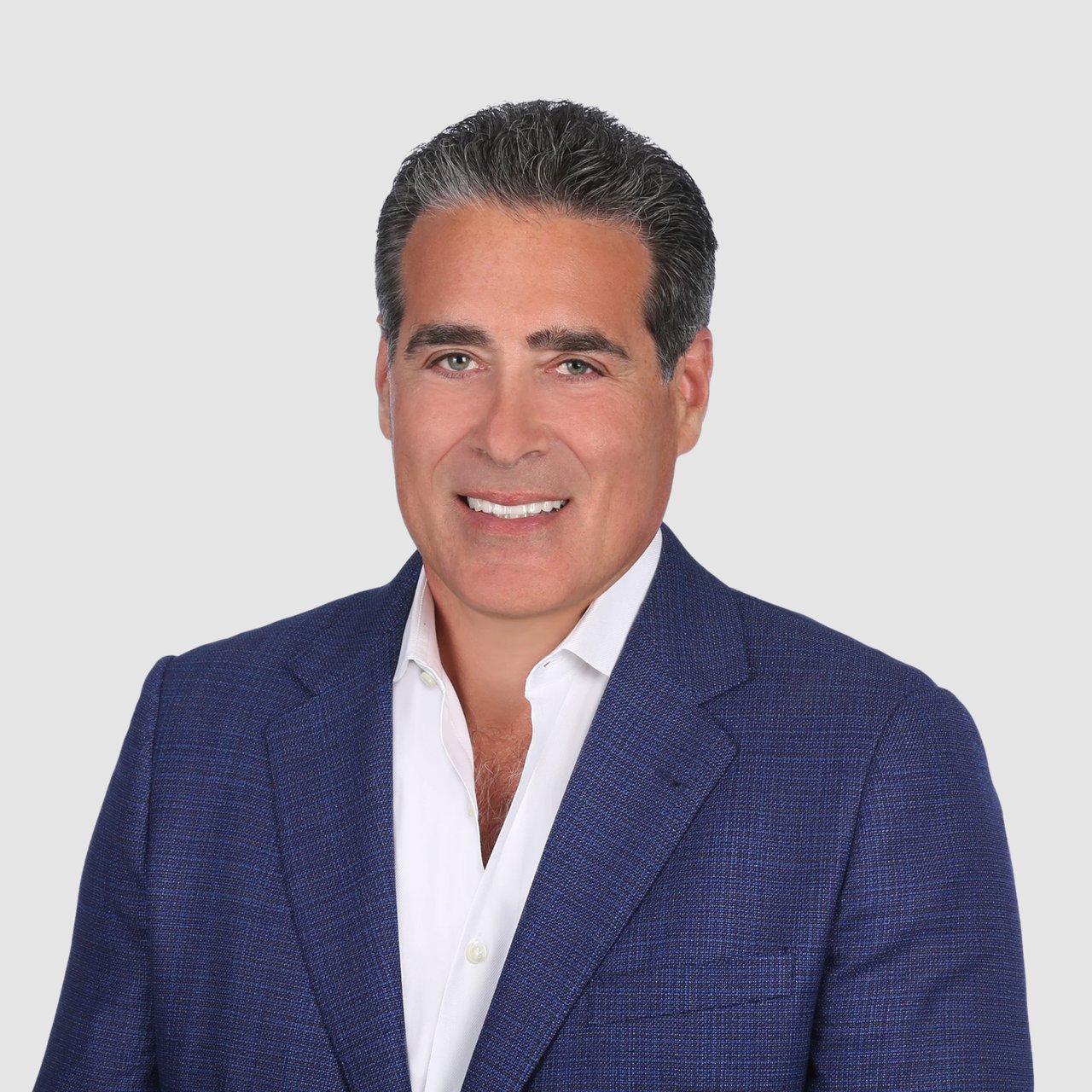
Broker-Associate® | MBA, ABR®, CLHMS™, PSA, RENE, RSPS, SRS
David Hall is a South Florida luxury real estate advisor and the founder of Hall Luxury Homes Group. As a Broker-Associate®, David specializes in luxury homes, waterfront properties, and residential real estate throughout Boca Raton, Highland Beach, Delray Beach, and nearby communities. With extensive experience in the local market, he shares insights on luxury real estate trends, buying strategies, selling tips, and property investments. He provides expert guidance to homeowners, buyers, and investors looking to make informed real estate decisions in South Florida.
Our commitment, experience, loyalty and dedication are paramount to our success, and the only way we conduct business. Together, we’re tirelessly passionate about getting the best results for buyers and sellers, while offering first-class professional concierge service through every step of the process.
HALL LUXURY HOMES GROUP
David Hall
(561) 508-1310
[email protected]
Sonia Hall
(516) 526-1090
[email protected]
101 N Federal Hwy Ste 501 Boca Raton FL 33432